Column · @donovanokya640
The Distinction In Between Assisted Living and Experienced Nursing
Business Name: BeeHive Homes of Draper
Address: 711 Pioneer Rd, Draper, UT 84020
Phone: (801) 495-3100
BeeHive Homes of Draper
Full service assisted living facility serving southern Salt Lake County offering all-inclusive Memory Care, Assisted Living, and Senior/Adult Day Care services.
711 Pioneer Rd, Draper, UT 84020
Business Hours
Families typically start comparing care alternatives at the exact same moment life obtains more complex. A parent misses medicines, has an autumn, gets home from the health center weaker than previously, or merely can not stay up to date with meals, bathing, and your house any longer. That is when the search begins for senior care near me, and 2 terms come up over and over: assisted living and competent nursing.
The complication is understandable because both are senior living alternatives, both can aid older adults remain safer, and both rest under the broader umbrella of senior care. Yet they are built for extremely various needs. The wrong selection can suggest spending for more care than somebody demands, or, equally as problematically, not nearly enough support for an individual whose health and wellness is altering fast.
The difference issues since it shapes the rate of the day, the degree of clinical oversight, the expense, and also the kind of dignity a person can maintain. One setup is made for support with life. The other is created for clinical recuperation and heavy hands-on care. That distinction seems straightforward theoretically, yet in reality it gets obscured by marketing language and by the all-natural hope that a loved one will certainly "improve sufficient" to fit somewhere much less extensive. Sometimes that happens. Occasionally it does not.
What assisted living is really for
Assisted living is implied for older adults who require assist with daily tasks but do not need continuous nursing. Citizens in assisted living generally can navigate on their own or with some aid, and they do not require consistent medical supervision. What they do need is reliable assistance with the activities that end up being harder with age.
That typically includes help with bathing, dressing, brushing, drug tips, meals, housekeeping, transport, and possibly a little supervision to prevent missed consultations or hazardous scenarios. For numerous households, assisted living provides a balance that is difficult to reproduce in the house. It maintains personal privacy and autonomy while minimizing the problem of daily tasks and safety concerns.
A great assisted living neighborhood feels residential, not professional. Meals are served in dining rooms, there may be social activities, and locals frequently have private or semi-private homes. The objective is to maintain life as regular as feasible, with simply adequate support to avoid the small failures from accumulating into significant risks.
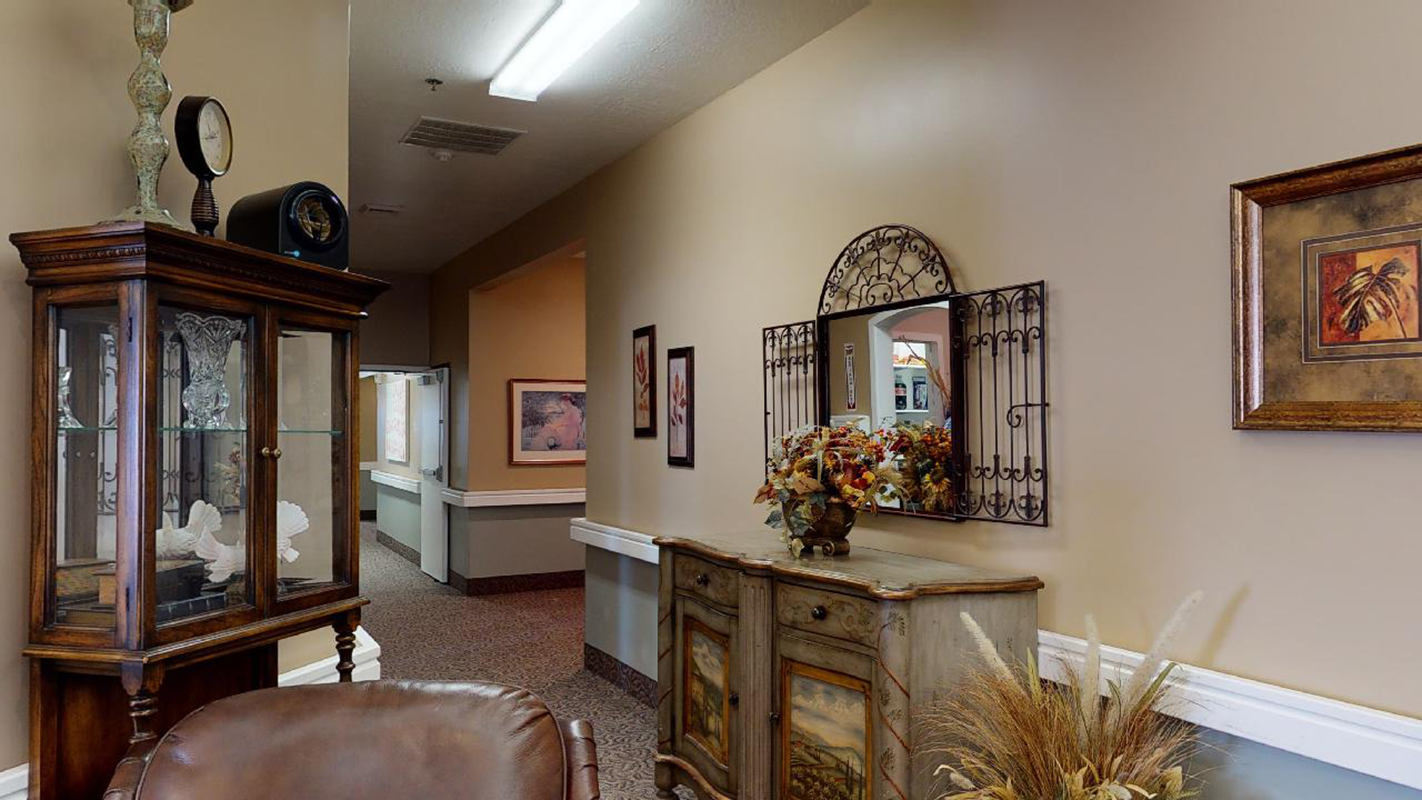
I have actually seen family members postpone this relocation because they presume it implies "surrendering freedom." In practice, it commonly does the contrary. An individual who is investing most of the day alone, eating off-and-on, missing medicines, and fretting about the stairs at home is not living individually in any significant feeling. Assisted living can bring back structure and confidence.
What skilled nursing is developed to do
Skilled nursing is a greater degree of care. It is developed for individuals that require medical focus and hands-on nursing support every day, sometimes several times a day. This is the establishing individuals typically require after a hospitalization, a significant surgical procedure, a stroke, a serious autumn, a complicated infection, or a sudden decrease in function.
Unlike assisted living, skilled nursing is staffed by qualified nurses around the clock, with care plans that involve straight scientific oversight. Locals may need wound care, shots, tube feeding, oxygen management, IV therapy, recovery solutions, or assist with almost all activities of daily living. Some homeowners stay just short-term while they recoup. Others require longer keeps since their medical needs are chronic and substantial.
Skilled nursing also has a tendency to have a much more clinical rhythm. There are medication passes, treatment timetables, medical professional oversight, charting, skin checks, and regular analyses. A person who is medically vulnerable might be much safer there than anywhere else, especially if they are not stable enough for a residential environment.
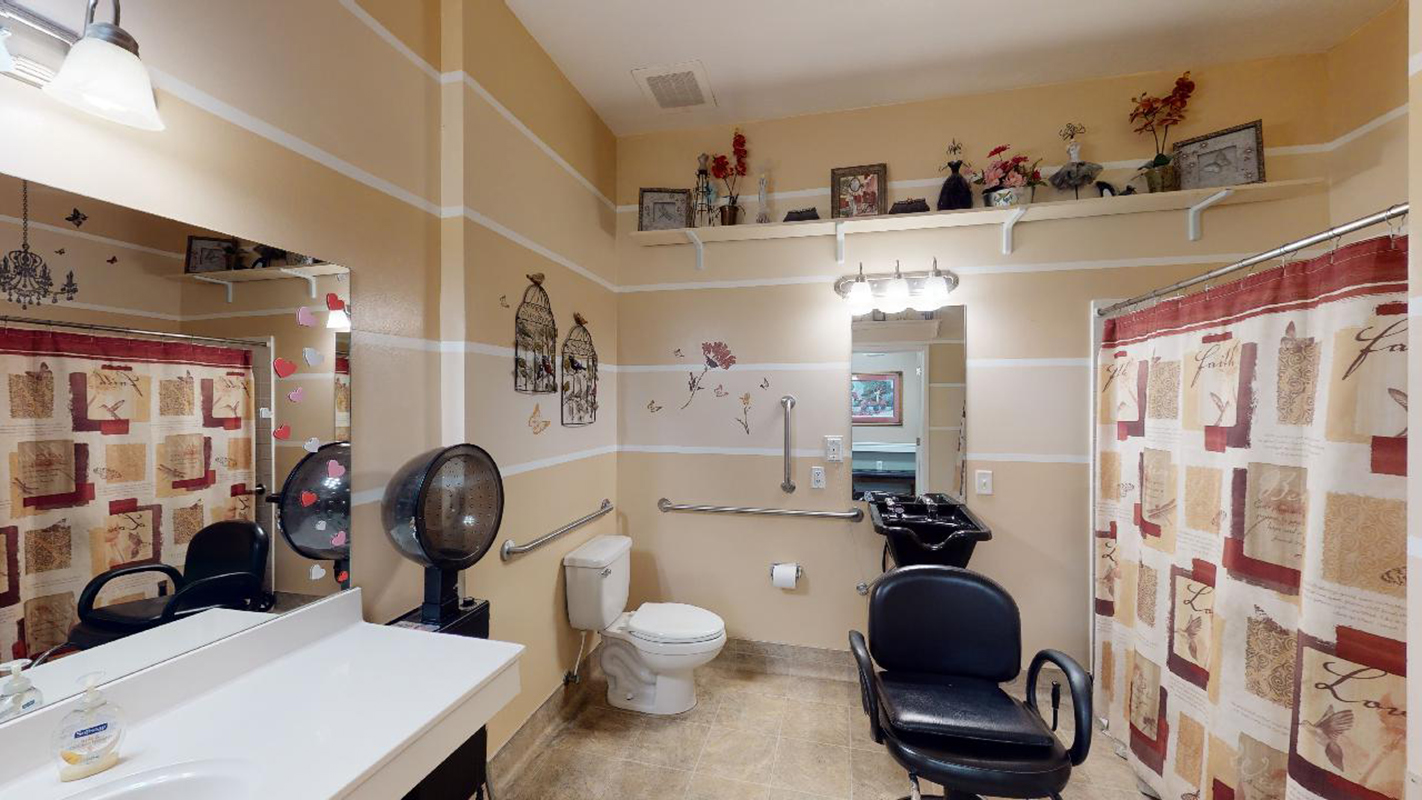
The difference is not simply staffing. It is the function of the setup. Knowledgeable nursing exists to treat, keep an eye on, and maintain. Assisted living exists to support, streamline, and protect independence.
The clearest distinctions, side by side
People usually ask for a straightforward method to contrast both, and there is one, though the real world is constantly messier than a graph. Still, these are the primary dividing lines:
|Location|Assisted Living|Knowledgeable Nursing||-- |-- |--|| Key purpose|Assistance with day-to-day living|Healthcare and recovery|| Staffing|Caregivers and some nursing oversight|Certified registered nurses 24/7, plus professional personnel|| Medical requires|Mild to moderate, normally secure|Complicated, regular, or altering medical demands|| Daily help|Showering, dressing, dishes, reminders|Comprehensive personal care plus knowledgeable therapies|| Setting|Residential, social, home-like|Much more professional, recovery-focused|| Length of keep|Typically long-term|Typically short term, in some cases long term|| Expense pattern|Normally lower than proficient nursing|Normally higher because of clinical intensity|
Even with a table like this, there are gray locations. Some assisted living communities have memory care neighborhoods or improved care options. Some experienced nursing facilities offer short-term rehab that looks momentary on paper but can stretch out for weeks or months. The tags issue, but the person's actual needs matter more.
How to tell which level of care fits
The right selection generally comes down to work, not age. 2 individuals may be the same age and need really various support. One is playing golf two times a week and just requires assistance organizing medicines. Another needs help moving from bed to chair and has numerous persistent conditions that need close monitoring.
A functional means to consider it is this: assisted living is frequently suitable when the individual requires assistance living daily, however not constant medical treatment. Competent nursing becomes necessary when the individual's health needs active nursing care, skilled tracking, or rehabilitation that can not be securely managed in a residential setting.
There are a couple of patterns that generally point toward assisted living. An individual may fail to remember medications, have difficulty preparing meals, really feel isolated living alone, require assistance bathing, or struggle with stairways and jobs. They may still take pleasure in conversation, activities, and some freedom, but the logistics of home life have ended up being unmanageable.
Skilled nursing is normally the much better fit when the individual is clinically unsteady or literally reliant in such a elder care way that demands certified nursing care. That consists of circumstances like frequent drops linked to major weak point, facility injury care, dementia with actions that require close supervision, recent hospitalization with slow-moving recovery, or conditions that need day-to-day scientific assessment.
Families usually attempt to make the decision based upon what really feels emotionally simpler. That is easy to understand, yet it is not constantly risk-free. If somebody requires skilled nursing and lands in assisted living, staff might be able to do only so much prior to the family members is back in dilemma. If a person only needs assisted living however goes into skilled nursing, the person might shed personal privacy, invest more money than essential, and really feel institutionalised for no great reason.
Cost, coverage, and the part households underestimate
Money enters the photo promptly, and it should. Senior care is pricey, and the prices distinctions between assisted living and competent nursing can be significant.
Assisted living is usually paid of pocket, at least partly. Some families make use of a mix of personal savings, retired life earnings, long term care insurance policy, or the sale of a home. The monthly charge commonly covers real estate, dishes, standard personal care, activities, and some guidance, but not intensive clinical treatment.
Skilled nursing is various. Due to the fact that it is clinical in nature, there might be much more insurance coverage in particular circumstances, particularly for short-term rehabilitation after a qualifying health center keep, relying on the person's insurance and clinical qualification. Long-term stays are a different issue and can come to be extremely expensive. The billing structure is more complex, and families occasionally obtain amazed by what is covered and what is not.
This is one reason people looking for assisted living near me should ask very specific questions, not practically rent and dishes, yet concerning what occurs if a resident begins requiring even more help. Some communities can boost solutions gradually. Others will certainly not be able to meet needs that have crossed right into proficient area. It is much better to ask before a situation than after the discharge organizer is contacting a Friday afternoon.
The emotional distinction is genuine, too
People speak about care levels as if they are purely scientific choices, however the emotional experience matters a good deal. Assisted living often seems like a step into a brand-new area with support close by. Residents might still embellish their very own space, pick their meals, join activities, and type routines that feel familiar.
Skilled nursing can really feel a lot more significant, because it typically arrives after a health situation. That alone alters the mood. People may be weak, scared, or momentarily reliant in ways they were not previously. Families often describe competent nursing as a place of healing and caution. Even when the staff is excellent, the sensation is extra hospital-like than home-like.
That does not mean experienced nursing is cool or that assisted living is always warm and comfortable. I have actually seen attractive assisted living communities with sporadic involvement and I have actually seen proficient nursing facilities with deeply caring groups. Still, the structure of each establishing forms the experience. Assisted living generally attempts to protect way of living. Knowledgeable nursing generally prioritizes safety and clinical management.
A couple of real-world examples
A widow in her late eighties might be living alone, neglecting to take her tablets, and avoiding food preparation because the oven feels unsafe. She is still social, still delights in reading, and still wants to make her very own selections. Assisted living might fit her well.
A man recouping from a hip fracture may need aid getting in and out of bed, physical therapy numerous times a week, discomfort management, and nursing oversight for a wound. He might start in proficient nursing for rehabilitation, after that transfer to assisted living later if he recoups sufficient to need much less support.
A lady with advanced cardiac arrest that needs frequent weight checks, medication adjustments, oxygen, and close monitoring might call for knowledgeable nursing since her condition can alter promptly. A residential setup could miss out on vital warning signs.
A person with early dementia who just needs reminders, framework, and supervision might do well in assisted living. An individual with dementia that is wandering, incontinent, and not able to acknowledge standard safety threats might need a more safe and secure and medically included atmosphere, relying on the specifics.
These circumstances are not abstract. They are the kinds of choices family members encounter after a health center remain, during a decline at home, or when a caretaker is simply used out.
Questions worth asking when touring communities
When you begin comparing senior living options, the marketing products only tell component of the tale. Tour the area, talk with team, and ask useful concerns that expose what daily life is truly like.
Here are a few questions that aid separate both levels of care in a purposeful method:
- What level helpful do homeowners typically get with showering, clothing, and medications?
- Is taking care of personnel on website around the clock, and if so, what can they handle?
- What occurs if a resident's condition worsens after move-in?
- Can the area support memory problems, wheelchair issues, or chronic illness?
- How commonly are care plans examined and updated?
Those discussions tell you greater than a glossy sales brochure ever before will. They likewise aid families prevent the usual mistake of thinking every senior living area can offer the exact same level of support.
Respite care can be component of the decision
Respite care deserves discussing because it commonly provides households a low-risk way to check a setting prior to making a long-term step. If you are uncertain whether a loved one requires assisted living or experienced nursing, a short respite remain can clear up a lot. An individual who fears in your home yet resolves in well with meals, assistance, and routine might be a solid assisted living prospect. A person who swiftly shows indications of needing more clinical assistance may require an experienced nursing plan instead.
Respite care likewise gives household caregivers a breather. That matters greater than people admit. Caregiving exhaustion can shadow judgment. When somebody is worn down, every choice looks either too much or not sufficient. A short stay can create area for more clear thinking and better planning.
The transition from one level to another
One of the hardest components of senior care is accepting that requirements can change. A person may get in assisted living and later requirement experienced nursing after a fall, a stroke, or a high decline. That does not mean the original move was incorrect. It implies the care plan needs to develop with the person.
The most useful communities are straightforward regarding this from the start. They do not promise that setup will solve every trouble for life. They explain what they can take care of currently and what would set off a various level of care later.
Families ought to likewise recognize that relocating from competent nursing back to assisted living is sometimes feasible, particularly after recuperation. I have seen people boost enough after rehabilitation to return to a less intensive atmosphere with fewer services. That type of change is motivating, however it relies on genuine function, not wishful thinking.
What matters most when making the decision
The ideal option is the one that matches the individual's real needs, not the one that seems nicest. Assisted living uses an encouraging, residential environment for individuals who need aid with the fundamentals of life. Skilled nursing provides medical care, rehab, and close oversight for people with significant or altering health and wellness needs.
If you are comparing senior care choices, focus on where the individual is currently, not where you hope they will be in 6 months. Check out mobility, cognition, drug complexity, recent health center stays, continence, fall threat, and just how much help is needed to make it through a regular day. That assessment is better than age alone, and better than a vague promise that "they appear okay for now."
Families commonly start with a look for senior care near me and end up finding out that the genuine concern is not distance. It is in shape. The appropriate setting ought to make day-to-day live much safer, calmer, and much more convenient, while protecting as much self-respect and independence as possible. For some individuals that means assisted living. For others it indicates competent nursing. And for several family members, the smartest path is to be honest regarding the difference prior to a situation requires the answer.
BeeHive Homes of Draper provides assisted living care
BeeHive Homes of Draper provides memory care services
BeeHive Homes of Draper provides respite care services
BeeHive Homes of Draper supports assistance with bathing and grooming
BeeHive Homes of Draper offers private bedrooms with private bathrooms
BeeHive Homes of Draper provides medication monitoring and documentation
BeeHive Homes of Draper serves dietitian-approved meals
BeeHive Homes of Draper provides housekeeping services
BeeHive Homes of Draper provides laundry services
BeeHive Homes of Draper offers community dining and social engagement activities
BeeHive Homes of Draper features life enrichment activities
BeeHive Homes of Draper supports personal care assistance during meals and daily routines
BeeHive Homes of Draper promotes frequent physical and mental exercise opportunities
BeeHive Homes of Draper provides a home-like residential environment
BeeHive Homes of Draper creates customized care plans as residents’ needs change
BeeHive Homes of Draper assesses individual resident care needs
BeeHive Homes of Draper accepts private pay and long-term care insurance
BeeHive Homes of Draper assists qualified veterans with Aid and Attendance benefits
BeeHive Homes of Draper encourages meaningful resident-to-staff relationships
BeeHive Homes of Draper delivers compassionate, attentive senior care focused on dignity and comfort
BeeHive Homes of Draper has a phone number of (801) 495-3100
BeeHive Homes of Draper has an address of 711 Pioneer Rd, Draper, UT 84020
BeeHive Homes of Draper has a website https://beehivehomes.com/locations/draper/
BeeHive Homes of Draper has Google Maps listing https://maps.app.goo.gl/LgtrXf95hQFVgKrY8
BeeHive Homes of Draper has Facebook page https://www.facebook.com/BeeHiveDraper/
BeeHive Homes of Draper won Top Assisted Living Homes 2025
BeeHive Homes of Draper earned Best Customer Service Award 2024
BeeHive Homes of Draper placed 1st for Utah Senior Living Communities 2025
People Also Ask about BeeHive Homes of Draper
What is BeeHive Homes of Draper Living monthly room rate?
Our monthly rates for both Assisted Living and Memory Care at BeeHive Homes of Draper are thoughtfully designed to be all-inclusive. While pricing reflects each resident’s unique care needs, families appreciate that once a rate is established, it remains stable - no hidden fees or surprise increases as care evolves. We believe in clarity, consistency, and peace of mind
Can residents stay in BeeHive Homes of Draper until the end of their life?
In many cases, yes. We are honored to support residents throughout their journey, including end-of-life care, right here in the comfort of our Draper home. There are rare occasions when medical needs exceed our licensing (such as 24-hour skilled nursing) but we’ll always guide families through any transition with care and compassion
Do we have a nurse on staff?
Yes, we do. Our Registered Nurse, Jacque Parker, R.N., works closely with local home health nurses and house-call physicians to coordinate excellent care. This collaboration allows us to meet a wide range of health needs right here at home
What are BeeHive Homes of Draper's visiting hours?
We know how important it is to stay close to loved ones. That’s why visiting hours at our Draper home are flexible and designed around what works best for the resident. You’re welcome to visit during the day... just try not to come to early and stay too late
Do You Offer Rooms for Couples?
Yes, we do! BeeHive Homes of Draper offers select suites for couples who wish to continue living together while receiving care. These shared accommodations preserve comfort and connection while ensuring both individuals get the personalized support they need. Availability is limited, so reach out to learn more
Do You Provide Senior Day Care or Respite Services?
Absolutely. Our senior day care and short-term respite care options are perfect for families who need extra help during the day or while traveling. Guests enjoy the same high-quality care, engaging activities, and home-cooked meals as our full-time residents, all in a safe, social environment. We’ll help you find a care plan that fits your schedule and your loved one’s needs.
What’s the Difference Between Assisted Living and Memory Care?
Assisted living is best for seniors who benefit from help with daily activities but still enjoy socializing and independence. Memory care is a more structured service tailored to individuals with Alzheimer’s or other cognitive conditions, with routines, guidance, and security that support safety and emotional well-being.
Where is BeeHive Homes of Draper located?
BeeHive Homes of Draper is conveniently located at 711 Pioneer Rd, Draper, UT 84020. You can easily find directions on Google Maps or call at (801) 495-3100 Monday through Sunday Open 24 hours
How can I contact BeeHive Homes of Draper?
You can contact BeeHive Homes of Draper by phone at: (801) 495-3100, visit their website at https://beehivehomes.com/locations/draper/ or connect on social media via Facebook
Basta Pasteria is a welcoming restaurant where families connected with Assisted living, memory care, senior care, elderly care, and respite care can gather for enjoyable meals together.